
How to Pack Wet Gear: Liners, Ratings & Placement Tips
Use taped-seam liners (0.9-1.2 oz Dyneema or nylon film, 20,000mm rating) and bottom placement to stop moisture migration. Get the full packing method now.
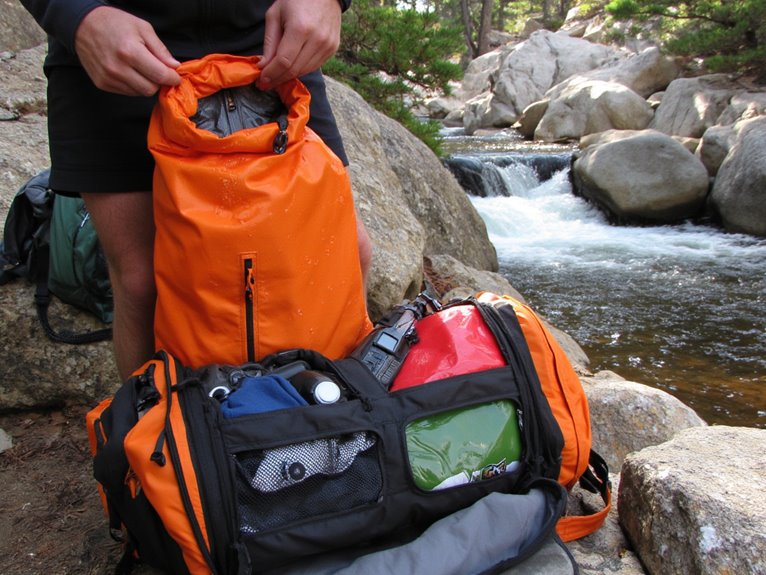
Use taped-seam liners (0.9-1.2 oz Dyneema or nylon film, 20,000mm rating) and bottom placement to stop moisture migration. Get the full packing method now.
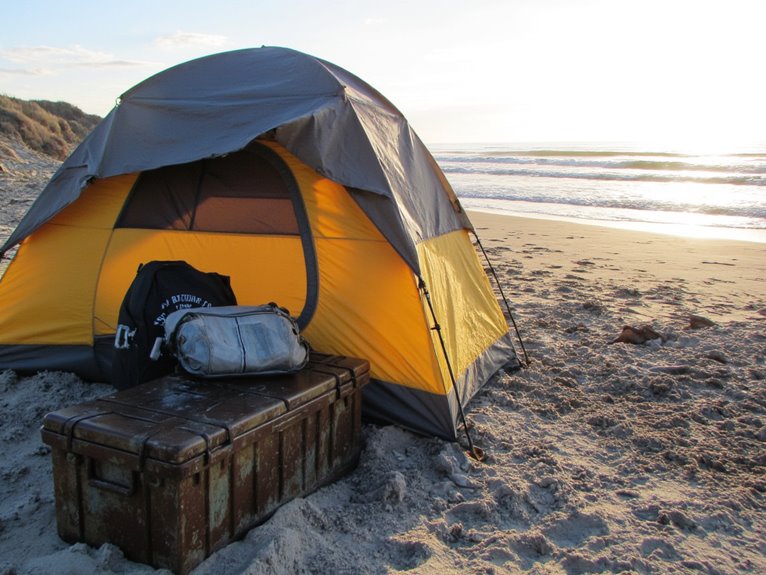
Tides can rise 50 ft above low-tide marks. Learn to rinse metal gear for 5 min, use 95% zinc anti-corrosion coatings, and pick sand-stakes rated for 40+ mph winds. Read the full guide.
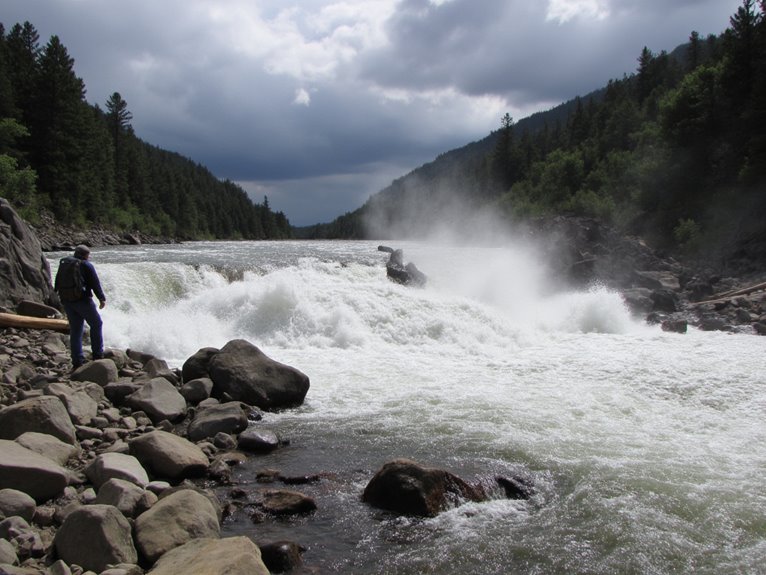
Learn the trekking-pole tripod stance for solo river crossings, how to face upstream correctly, and 3 warning signs (debris, current speed, turbulence) that mean don’t cross.
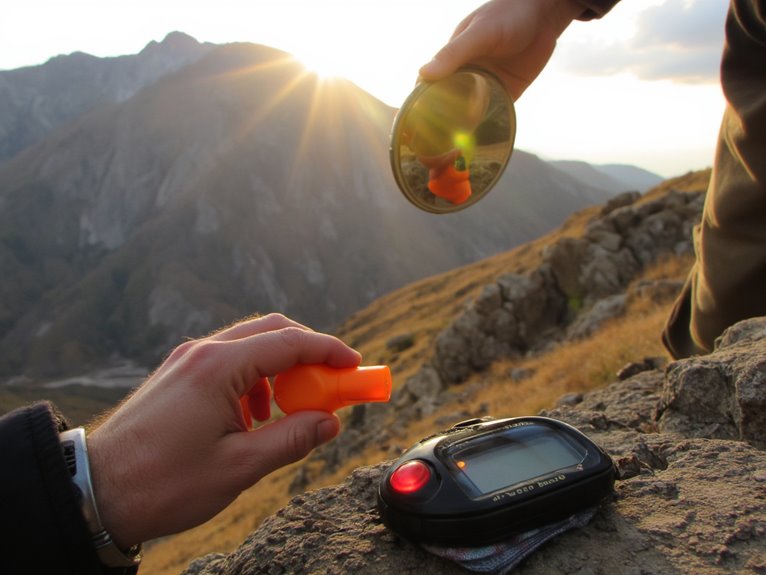
Compare survival signaling methods: signal mirrors, 650-2000 Hz whistles, and 4-oz GPS Personal Locator Beacons. See which works day, night, or in bad weather.
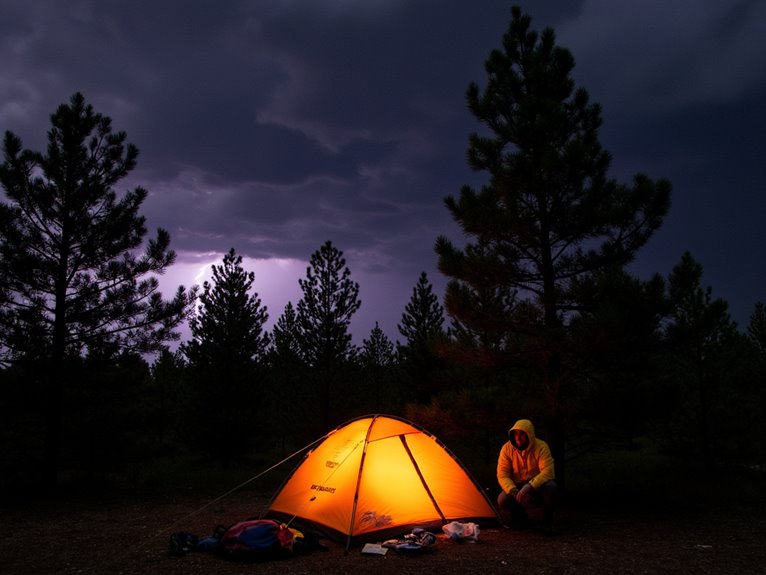
Barometric pressure below 29.80 inches signals a storm. Learn the lightning crouch position, 15-20 ft group spacing, and how to plan 3 evacuation routes to higher ground.
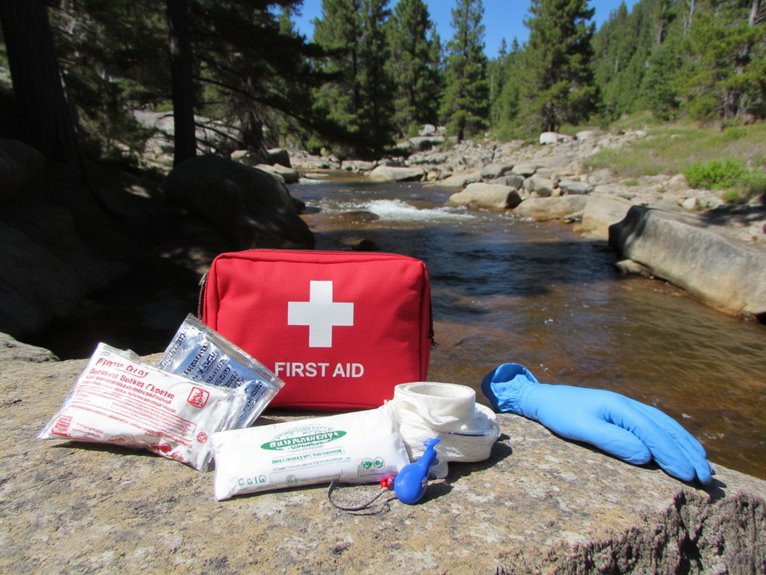
Build a real backcountry kit: tourniquets, hemostatic gauze, SAM splints, Mylar blankets, plus how WFA and WFR certifications prepare you to use them. See the full checklist.
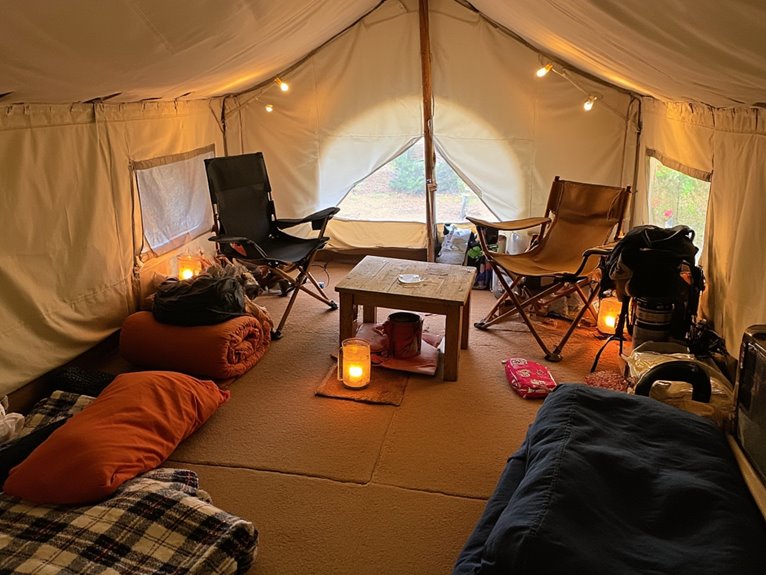
Plan a 28-35 sq ft tent living area with 24-inch clearances, 5×7 rugs for zoning, and water-resistant storage furniture. Get the full layout guide.
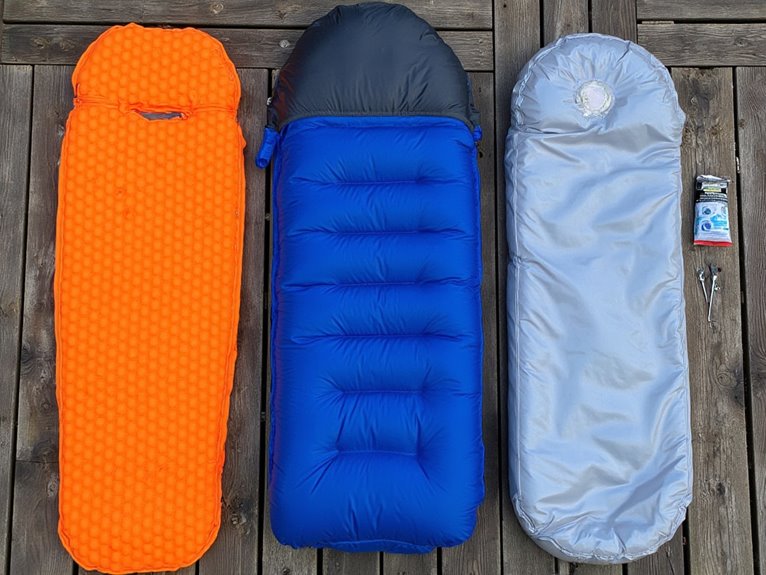
R-values below 2 suit summer, 2.0-4.0 work for 3-season, above 4.0 for winter. Compare closed-cell foam vs air pads and learn soap-water leak tests to fix punctures fast.
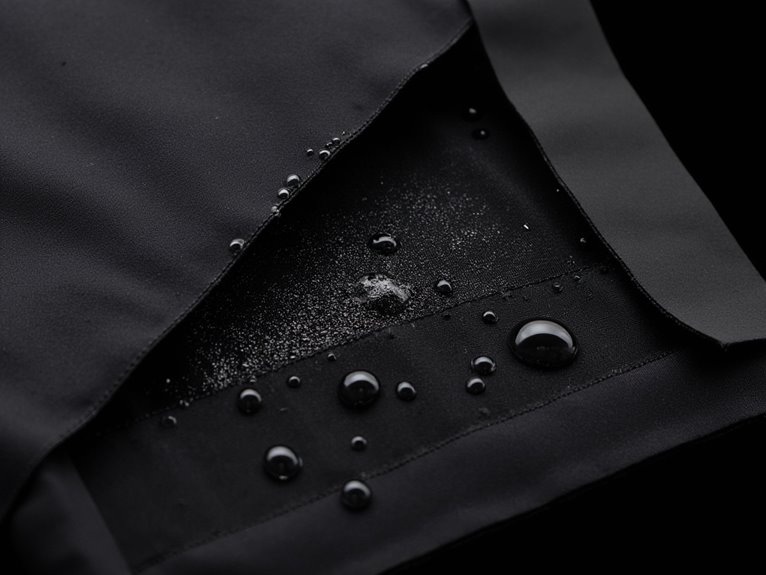
Learn what hydrostatic head ratings actually mean, when to reapply DWR (twice yearly), and how to seal needle holes with Ultra Seam Tape. Read the full breakdown.
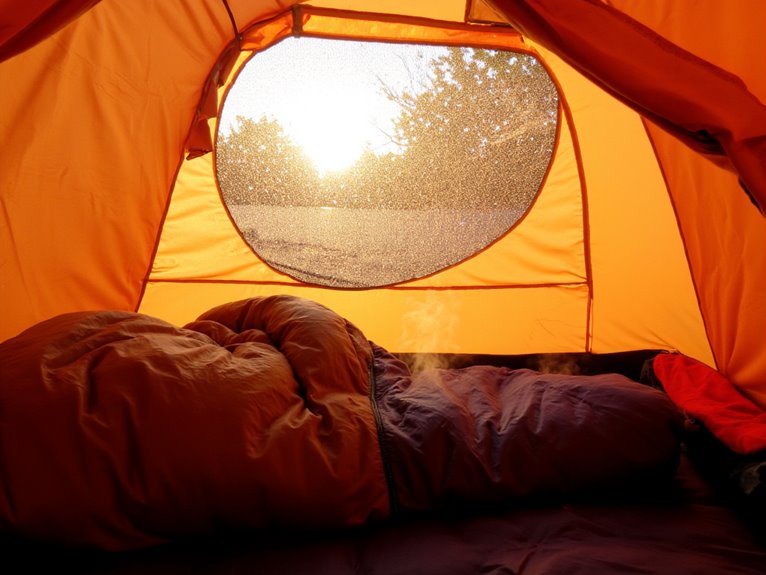
Fix wet tent walls by positioning exhaust vents near the peak and intake vents low on the opposite side for cross-ventilation. Get double-wall tent tips and gear-drying tricks for dry nights.