
What Is UPF Clothing? UPF Ratings Explained (15 to 50+)
UPF 50+ fabric blocks over 98% of UVA/UVB rays with no reapplying like sunscreen, and stays effective for up to 40 washes. See what UPF 15-50+ ratings mean.
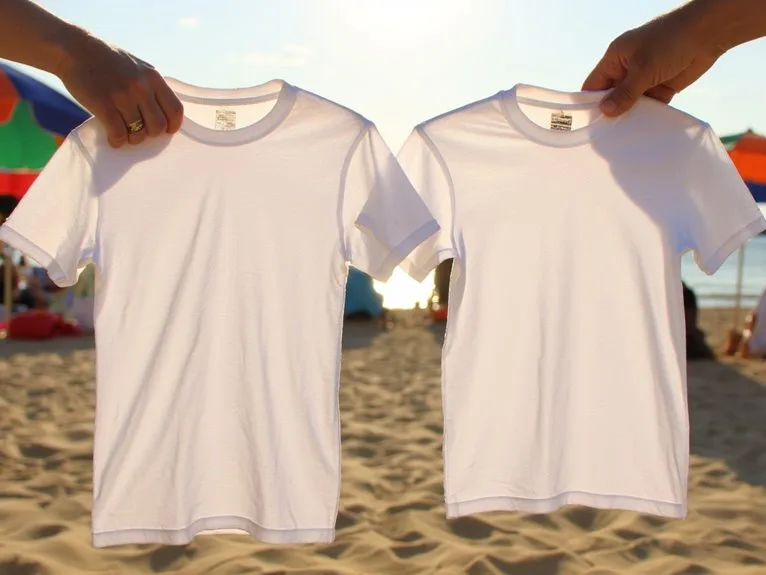
UPF 50+ fabric blocks over 98% of UVA/UVB rays with no reapplying like sunscreen, and stays effective for up to 40 washes. See what UPF 15-50+ ratings mean.
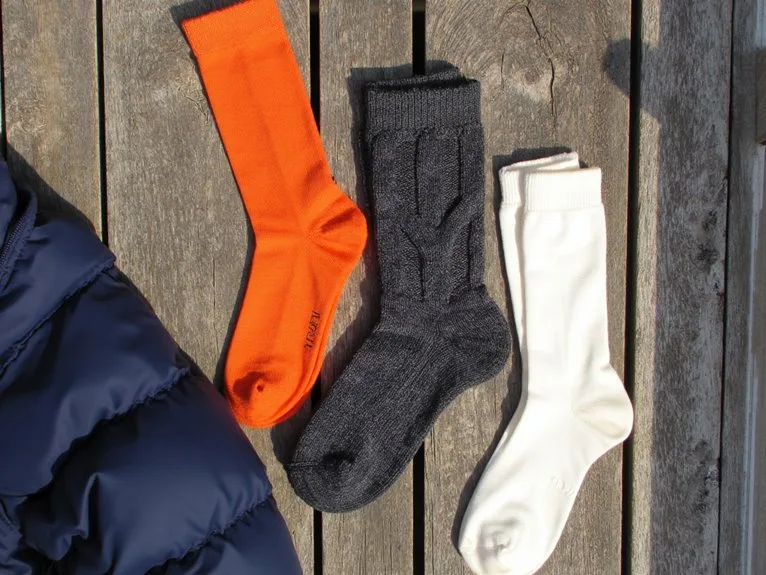
Merino wool regulates temperature and resists odor for multi-day trips; synthetics cost 30-50% less but retain odor. See how two-sock layering (liner + cushioned outer) prevents blisters and frostbite.
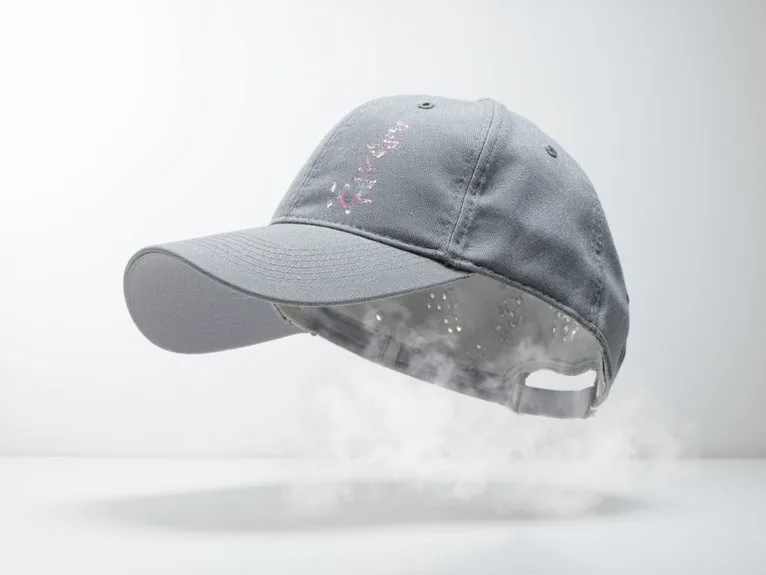
Silver chloride, triclosan, and zinc oxide/titanium dioxide coatings cut bacteria 98-100% under UV. See how cloth caps outperform disposables and how to wash without ruining the coating.
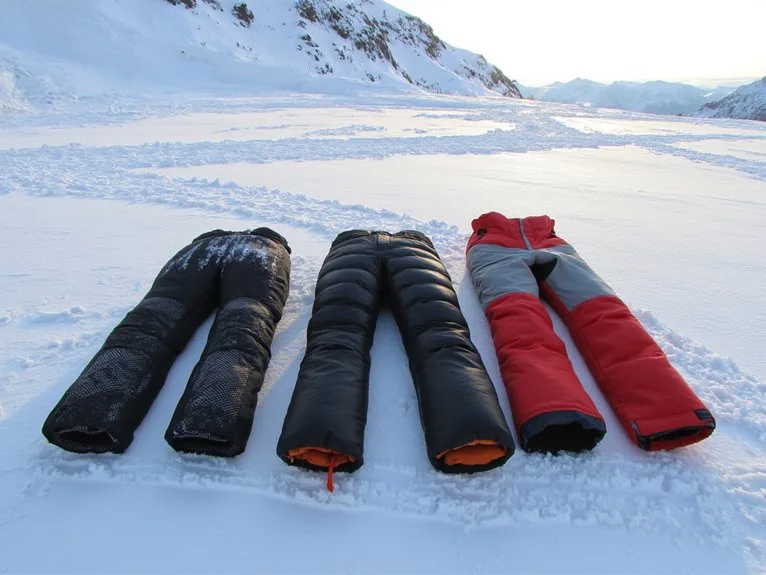
Compare down (60-80g/m² warmth-to-weight) vs PrimaLoft synthetic insulation, plus when insulated vs shell pants work best. Build your winter layering system.
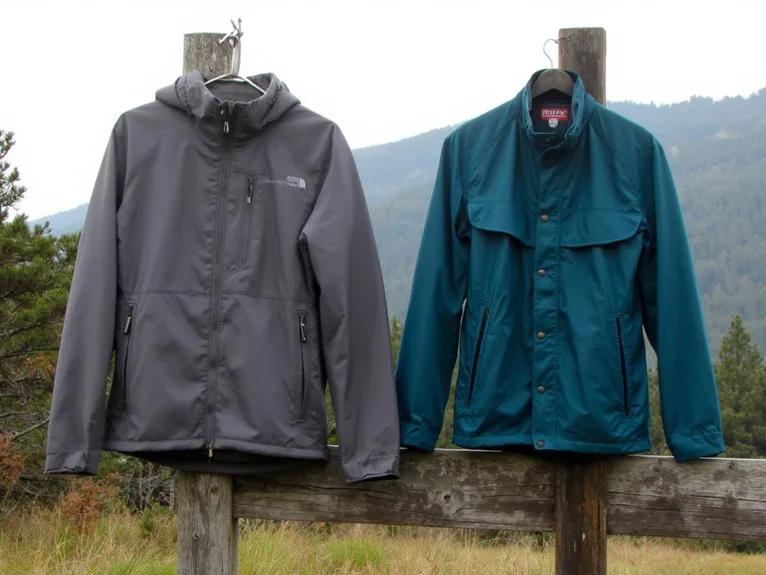
Compare real numbers: softshell breathability up to 20,000 g/m²/24hr vs Gore-Tex hardshells at 10,000mm+ waterproofing, plus $90-$900 price and weight breakdowns. Find your match.
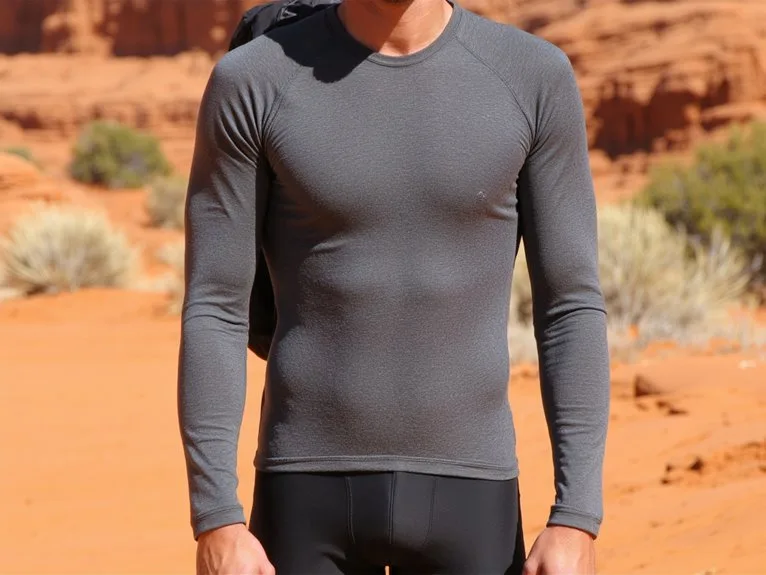
Merino wool absorbs up to 30% of its weight in moisture vapor and beats polyester by 96% in moisture buffering. See why 17-24 micron fibers stay cool in warm weather.
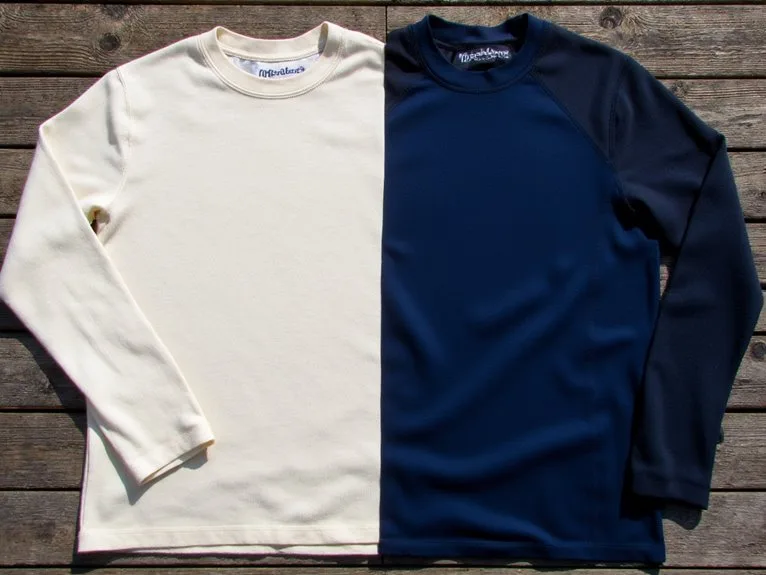
Merino holds 30% moisture yet feels dry; synthetics dry 3-5x faster but absorb just 0.4% of their weight in water. Compare costs ($45-130) and durability to pick the right base layer.
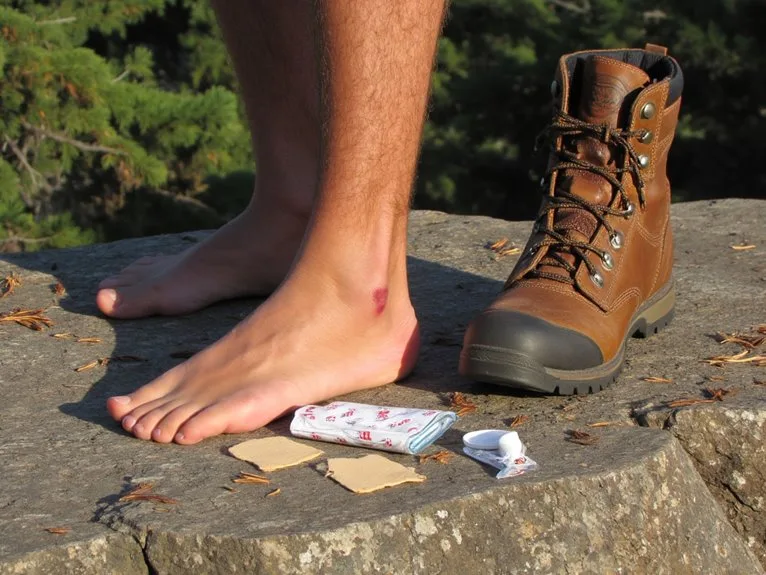
Stop blisters before they start: get thumb-width toe room, switch to merino or synthetic socks, apply friction balm on heels/toes, and try dynamic lacing. Read the full guide.
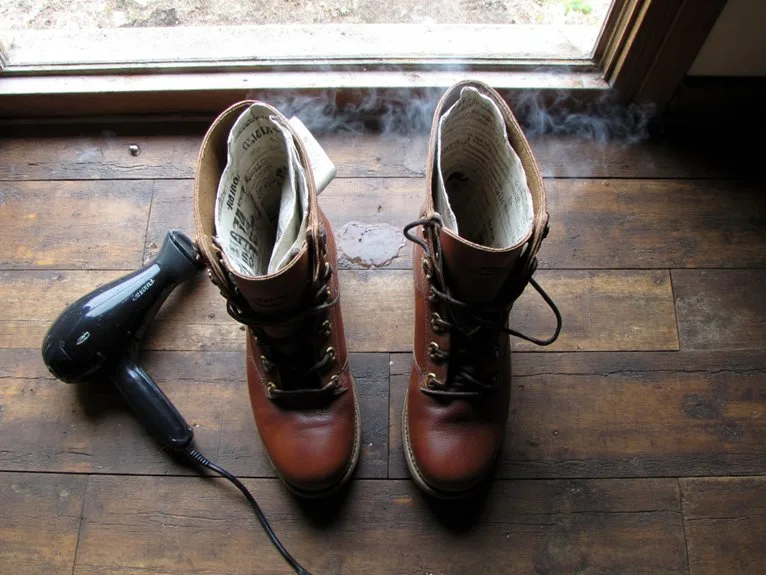
Heat above 80°F cracks leather fibers. Learn safe drying methods, how often to swap newspaper stuffing, and why hairdryers ruin boots. Read the full guide.
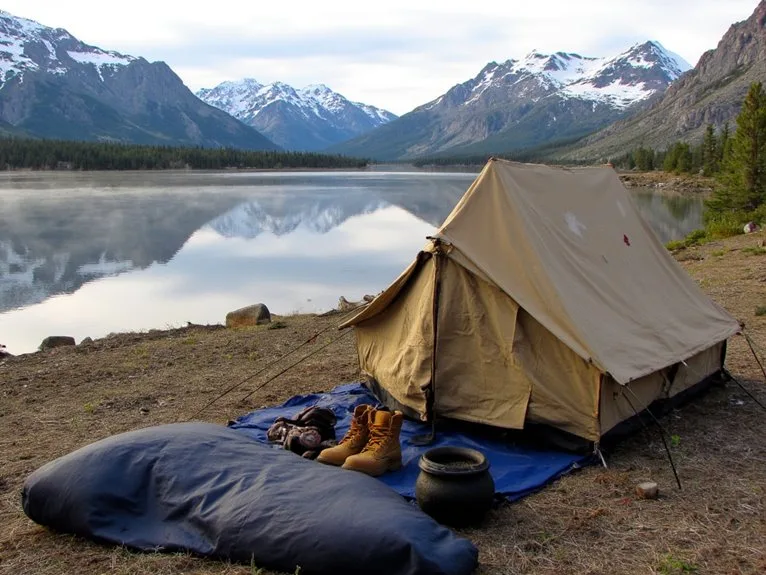
Camp responsibly: stay 200+ feet from water, choose durable gear (production causes 64% of its carbon footprint), and use repair culture to extend equipment life. Read the full guide.