
Understanding GSM and Weight Categories in Base Layers
Understanding GSM ratings in base layers determines whether you’ll stay comfortable or suffer in extreme conditions—but most people choose wrong.
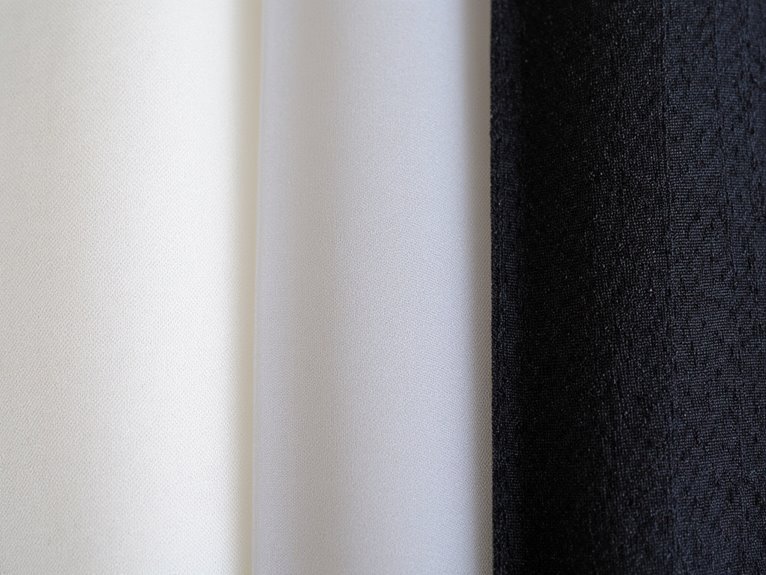
Understanding GSM ratings in base layers determines whether you’ll stay comfortable or suffer in extreme conditions—but most people choose wrong.
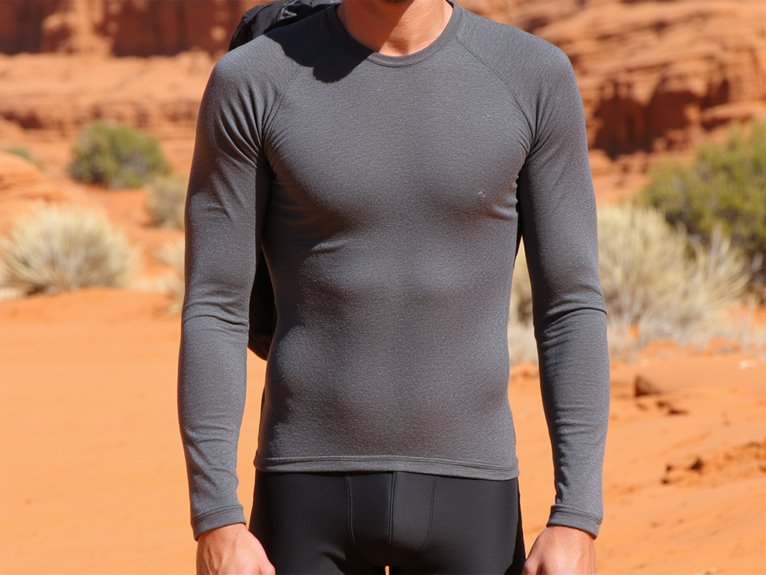
Merino wool absorbs up to 30% of its weight in moisture vapor and beats polyester by 96% in moisture buffering. See why 17-24 micron fibers stay cool in warm weather.
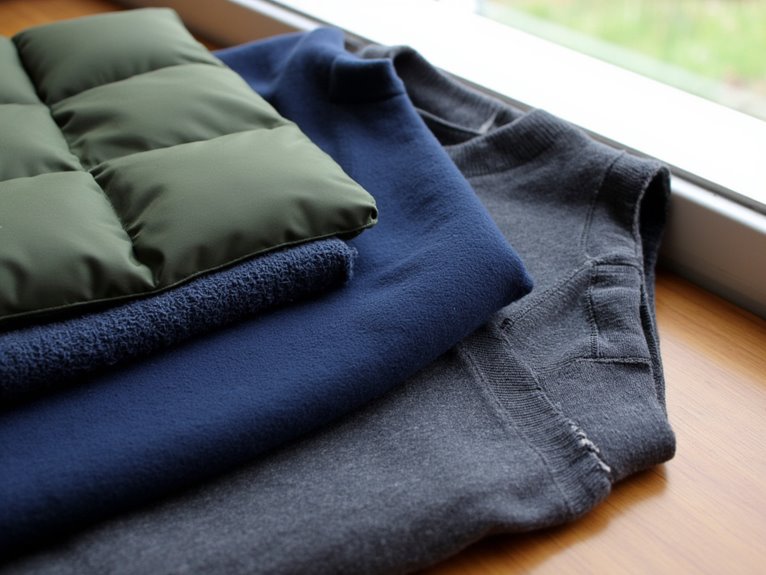
Keep your body warm and dry with expert base layer strategies that could mean the difference between comfort and dangerous exposure.
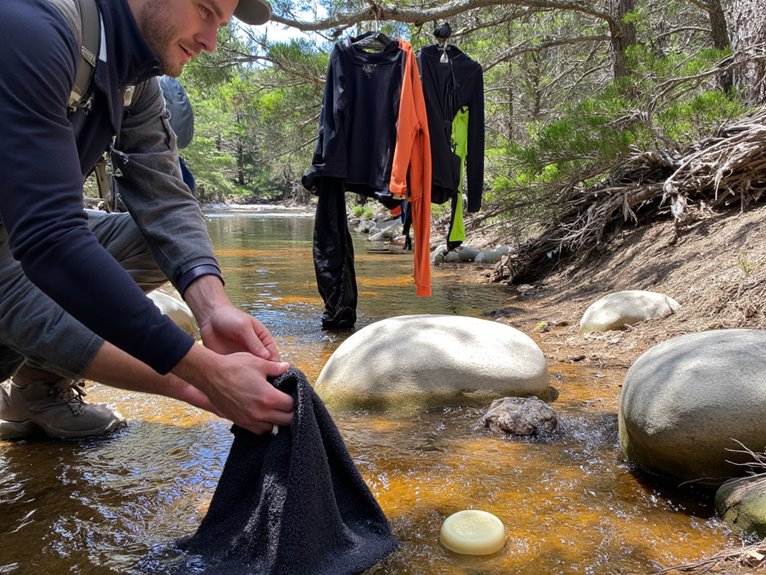
Base layer care becomes critical on extended trips where proper washing techniques for merino wool and synthetics determine comfort and performance success.
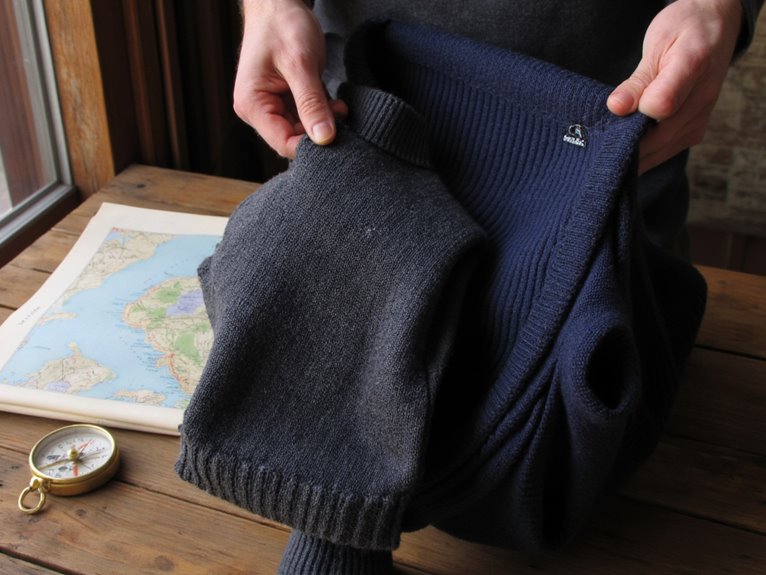
Keep your core warm during winter backpacking by selecting properly fitted thermal underwear that matches specific temperature ranges and activity levels.
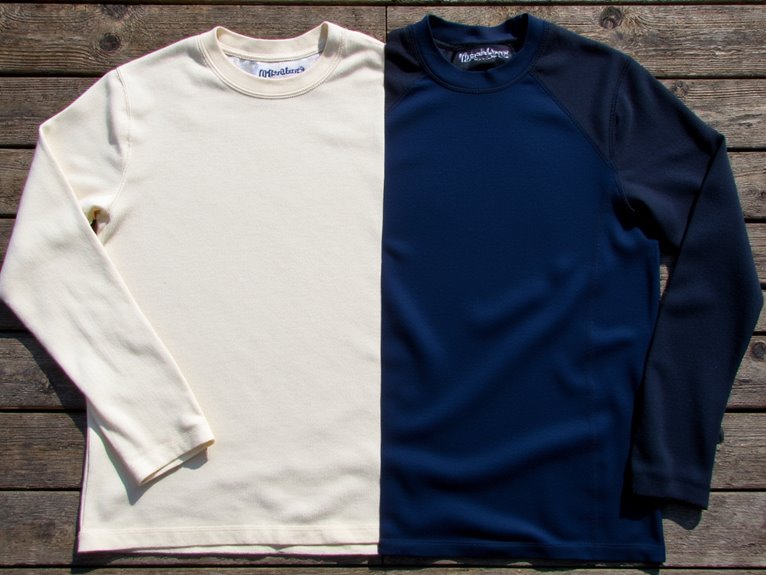
Merino holds 30% moisture yet feels dry; synthetics dry 3-5x faster but absorb just 0.4% of their weight in water. Compare costs ($45-130) and durability to pick the right base layer.
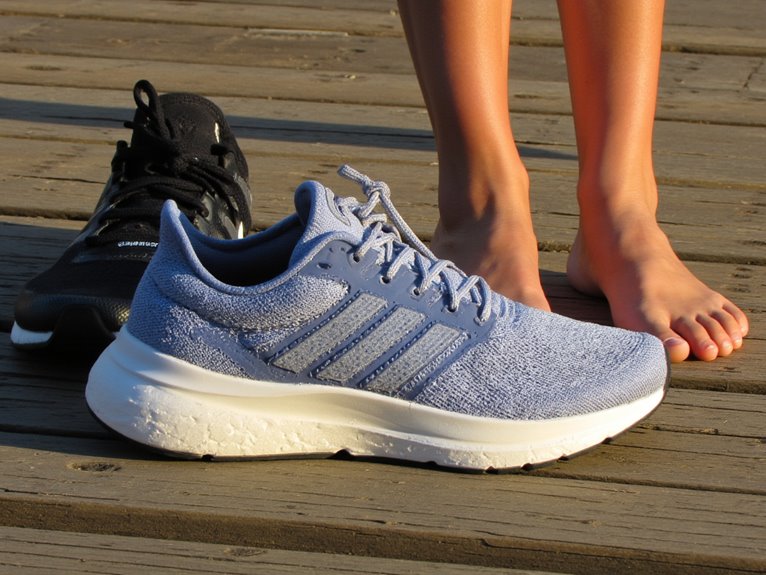
Wondering if zero-drop shoes could strengthen your feet by 57% but worried about injury risks during transition?
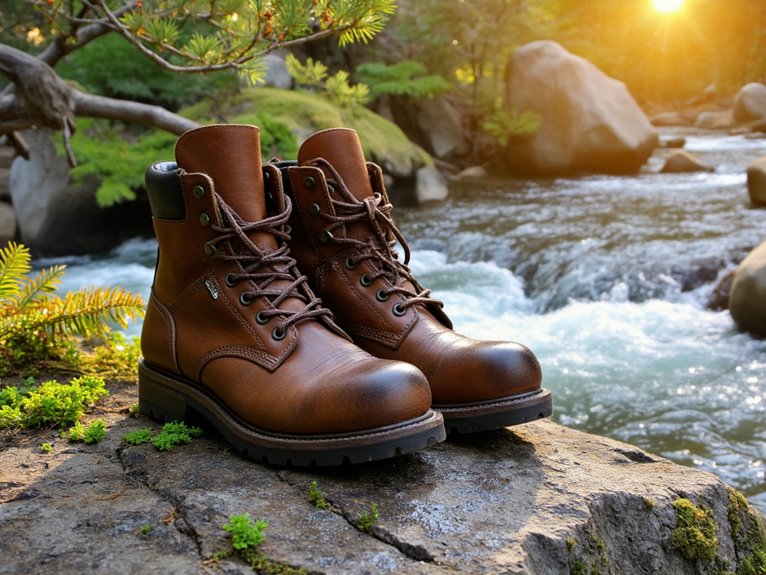
Get ready to discover the game-changing boot features that separate weekend warriors from true off-grid survivors in extreme conditions.
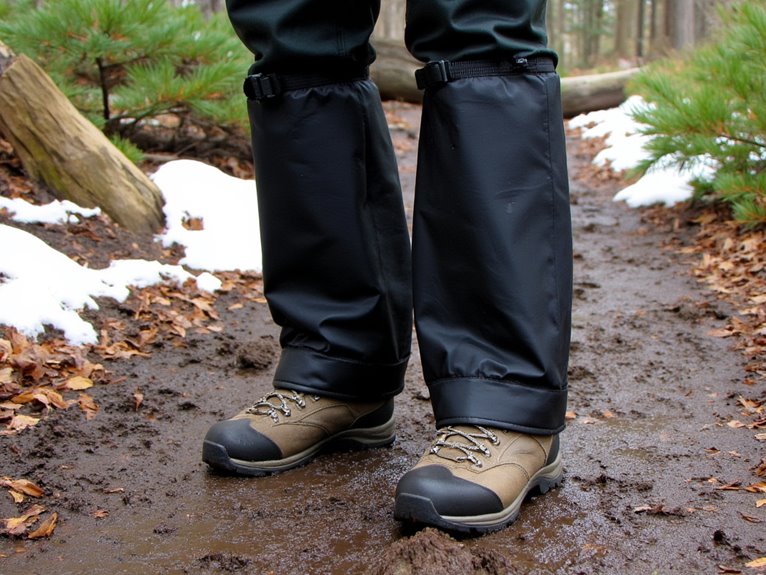
Find out how gaiters create an impenetrable barrier against snow, mud, and dangerous ticks using these essential techniques.
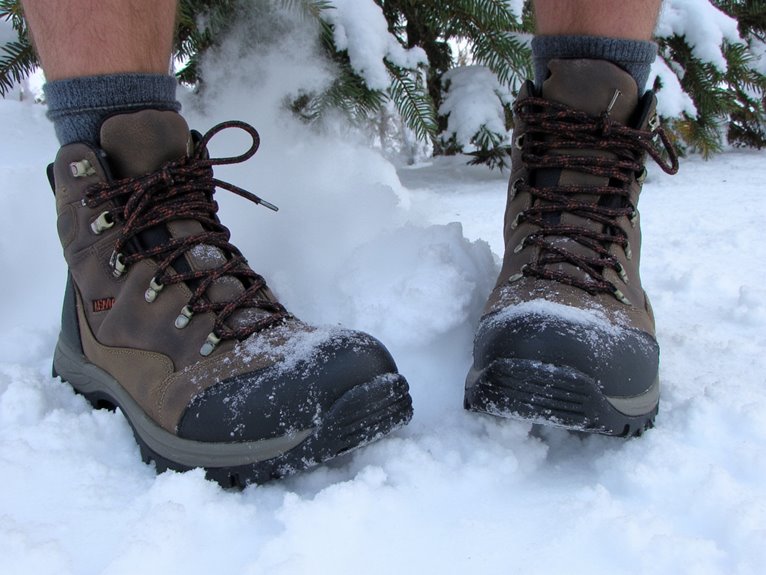
Just choosing insulated boots isn’t enough—discover the critical gear mistakes that lead to frostbite in experienced winter backpackers.